

with Tyler Beverage
If you live near the water (or plan to), insurance isn't just a checkbox — it's part of the strategy. In Episode 006 of the ILMrealtor Podcast, I'm joined by Tyler Beverage of FinPoint Insurance Group to break down coastal coverage in real-life terms: what homeowners insurance actually covers, what it doesn't, and how flood, wind, boats, golf carts, and even e-bikes fit into the picture.
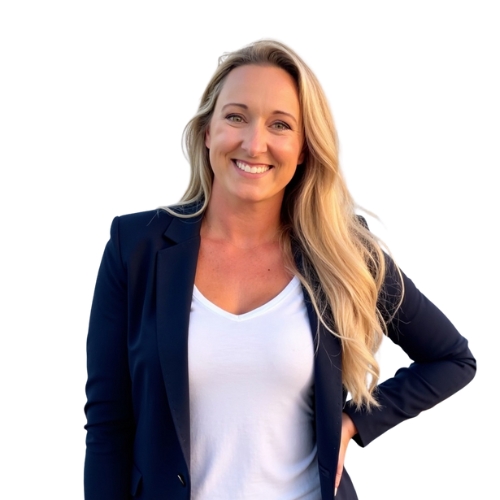
Hey friend — I'm Tabetha (Tabi) Klein, aka theILMrealtor. I help people buy and sell homes in Wilmington, North Carolina (and all over New Hanover, Brunswick, and Pender). My goal with this podcast is to make homeownership feel way less intimidating — and a lot more doable.
Watch or listen: YouTube · Spotify · makingilmhome.com · @theILMrealtor
Why this matters in Wilmington
Living near the coast is the dream — beaches, boating, salty air, sunrise runs… all of it. But coastal living also means insurance can get confusing fast: flood maps, wind deductibles, “named storm” language, older roofs, older plumbing, and that one question everyone asks: “Is this covered… or not?”
What we cover in this episode
Homeowners vs. Flood Insurance: what's included, what's not, and why flood is usually separate
Wind + named storm deductibles: how they work and why they can change your out-of-pocket costs
Water damage vs. flood: two words that sound similar… and mean very different things
Boats + water toys: how coverage often works (and what people forget to ask)
Golf carts + e-bikes: when you need a separate policy or endorsement
Umbrella policies: the “quiet hero” that can protect you when life gets messy
The coastal insurance “gotchas” I see all the time
Flood insurance is usually separate. Even if your lender doesn't require it, it may still be smart depending on your risk tolerance and location.
Wind deductibles can be percentage-based. That means your deductible might be a percentage of the dwelling coverage — not a flat amount.
“Water damage” ≠ “flood.” A busted supply line is different than water entering from rising ground water or storm surge.
Older roofs and systems can impact coverage or pricing. Not always a dealbreaker — just something to plan for early.
What actually came up in this episode
One of my favorite parts of this conversation was Tyler's breakdown of backyard structures, because it trips up more homeowners than you'd think. That pergola, detached fire pit, or shed sitting in your backyard often falls under a completely different coverage bucket than your actual home — usually called “other structures” coverage, and it typically comes with its own (smaller) limit separate from your dwelling coverage. Tyler's advice: don't assume your dream pergola or built-in fire pit is automatically covered at full replacement cost just because it's on your property. Ask your agent specifically how the “structure” vs. “other structures” distinction applies to your policy before you build — or before you buy a home that already has one.
We also got into flood insurance considerations specifically for waterfront buyers, since that's a huge chunk of what I help people navigate here in Wilmington. Being near the water doesn't automatically put you in a high-risk flood zone (and plenty of homes that feel “inland” have flood history you wouldn't expect), so Tyler's recommendation is to look at elevation, flood zone designation, and claims history for the specific property — not just the general vibe of the neighborhood. If you're eyeing anything near the Cape Fear River, the ICW, or our beach communities, it's worth understanding what to check on flood zones before you buy long before you're staring down a closing deadline.
Tyler also shared a real example from his own claims files that's stuck with me — a homeowner got a call about a cracked driveway that had allegedly caused an injury on the property, and a routine wear-and-tear issue suddenly turned into a liability claim. It's a good reminder that liability coverage isn't just for the big, dramatic stuff; it can protect you from everyday things you'd never think to worry about, like a trip-and-fall on a cracked walkway or driveway. That's a big part of why Tyler is such a believer in umbrella policies — they're relatively inexpensive for the amount of extra protection they add on top of your regular liability limits.
Quick Definitions (No-Dumb-Questions Edition)
Premium: what you pay for the policy (monthly or annually).
Deductible: what you pay out of pocket before insurance kicks in.
Endorsement: an add-on that extends or changes coverage for a specific item or risk.
Exclusion: something the policy does not cover.
*Note: Always talk to a licensed insurance professional about your specific situation. This post is educational and not insurance advice.
My “before you close” insurance checklist (save this)
Ask early: Get quotes as soon as you're under contract (or even before, if possible).
Confirm deductibles: Especially wind / named storm deductibles.
Ask about flood: Required or not — understand the risk and the option.
List your toys: Boats, golf carts, e-bikes, trailers — ask how they're covered.
Understand replacement cost vs. actual cash value: This matters when you file a claim.
Consider umbrella coverage: If you want extra liability protection, ask about it.
Local ILM takeaway
In Wilmington, two homes can be five minutes apart and have completely different insurance considerations. That's why I love having pros like Tyler in my corner — so we can help you make decisions with your eyes open, not crossed.
About our guest: Tyler Beverage (FinPoint Insurance Group)
Tyler Beverage is an Account Executive at FinPoint Insurance Group in Wilmington, born and raised right here in Pender County. He spent 2015 to 2022 as a licensed real estate agent before transitioning into insurance in 2022, and he still serves many of his former real estate clients today — exactly why he's so good at bridging the real estate and insurance worlds. Tyler brings four years of insurance experience with specialties in home, auto, umbrella, and life coverage, and he's married with two children. Outside of the office you'll usually find him cooking (he has a culinary background), out on the boat, or on the golf course, and his approach with every client is education-first: take the time to really get to know their situation, then build a custom policy around their actual life instead of a one-size-fits-all form.
Website: finpointinsurance.com
Email: Tyler@finpointinsurance.com
Phone: (910) 218-2669
Facebook: Tyler Beverage
Want help planning your move (and your costs) the smart way?
If you're thinking about buying in Wilmington (or you already live here and want a second set of eyes on the “what should I expect?” stuff), call or text me at 910-983-8963, visit www.makingilmhome.com, or DM me on Instagram @theILMrealtor. I'm happy to help you map out your next steps.
PS: If this episode helped you, share it with a friend moving to coastal North Carolina — it'll save them a headache later.
Keep Listening
If this one got you curious, here's where to go next: a few more episodes worth your time on insurance, closing, and getting to know Wilmington.
Tabetha Klein | Making ILM Home — REALTOR® • Coldwell Banker Sea Coast Advantage • 910-983-8963 • www.makingilmhome.com • @theILMrealtor
This podcast is for general education and local insight, not insurance advice. Coverage details vary from one situation to the next — always talk with a licensed insurance professional about your specific property and goals. Coldwell Banker Sea Coast Advantage. Each office is independently owned and operated. Equal Housing Opportunity.
Filed under
- ILMrealtor Podcast
- Wilmington NC real estate
- coastal insurance
- flood insurance
- Tyler Beverage
- FinPoint Insurance
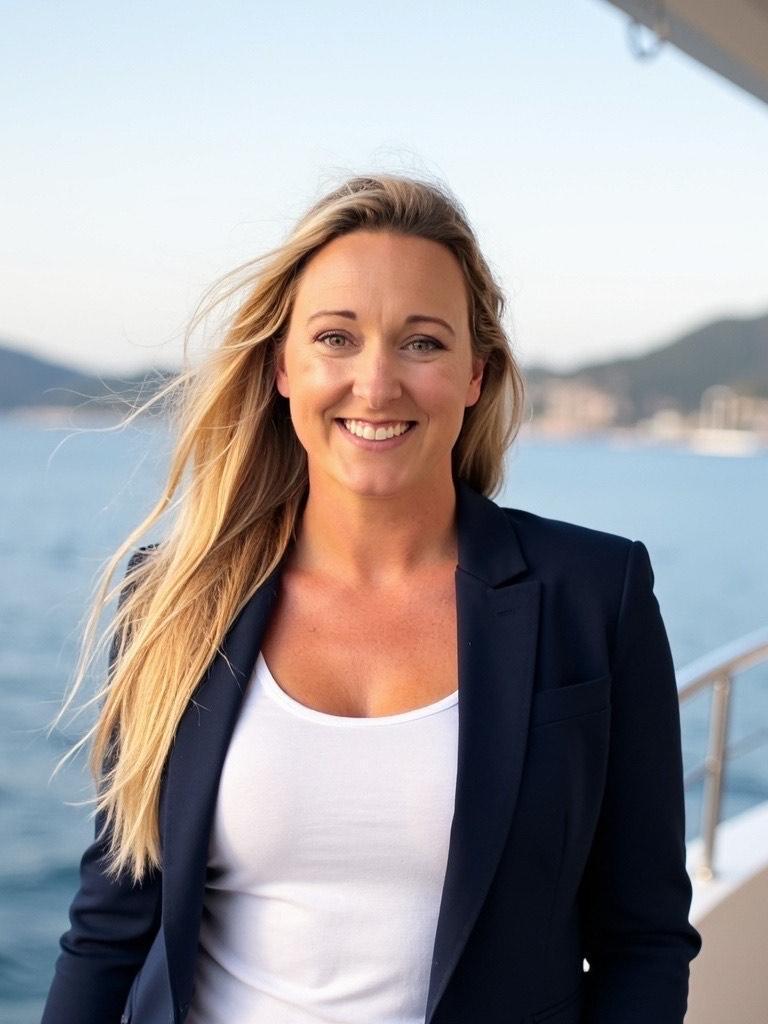
Tabetha Klein
Realtor® · Coldwell Banker Sea Coast Advantage
Tabetha has been helping buyers and sellers navigate the Wilmington, NC real estate market since 2020. She specializes in relocation, coastal properties, and first-time buyers — combining local expertise with genuine financial guidance.
Read Tabetha's full story

